
Xamoz.com is a domain name registered on April 6, 2025, through the registrar Name.com, Inc. This site appears in the negative reputation databases of several security and filtering DNS providers, triggering automatic blocks or warnings even before the page is displayed. Understanding why this domain poses a concrete problem for your online payments requires examining the technical signals that distinguish it from a legitimate service.
Recent Domain and Opacity: The Technical Signals of Xamoz
A young domain name is a recognized risk indicator in web security by filtering tools. Xamoz.com is no exception to this rule: recently registered, it accumulates several unfavorable markers.
The limited transparency around the identity of the domain owner complicates any verification. Reputation analysis services cross-reference the domain’s age, the consistency of WHOIS information, and the possible presence of valid security certificates. Xamoz fails on these criteria.
Analyses published in 2026 conclude that xamoz.com cannot be considered secure in the sense of a legitimate service. In other words, no user-side measures (antivirus, VPN, secure browser) turn this site into a reliable entry point for a payment. Several detailed reports, such as the reviews on xamoz com compiled by specialized sites, confirm this technical finding.
Xamoz and Banking Data: Mechanisms for Capturing Information
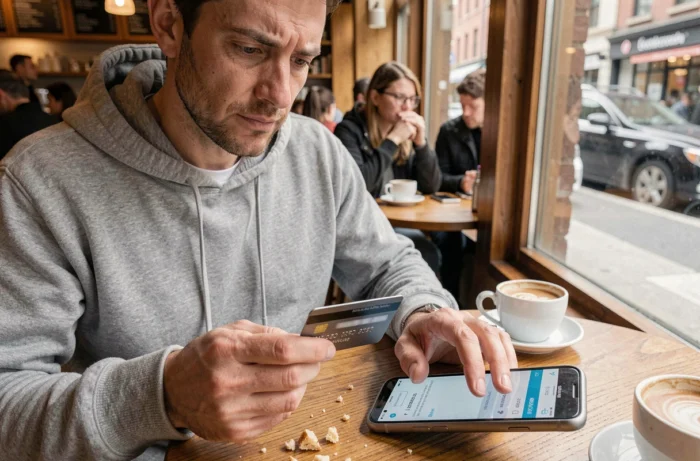
The main risk of Xamoz does not lie in a classic virus. It concerns how the site can collect credit card details through unsecured payment or registration forms.
The most common scenario on this type of platform follows a three-step pattern:
- An attractive content (streaming, access to a service) encourages the user to create an account or subscribe to a discounted plan.
- The form requests complete payment data (card number, expiration date, visual cryptogram) without going through a recognized banking gateway.
- This information is then exploited for unauthorized withdrawals or sold on parallel markets.
An alert relayed by TF1 Info describes a similar process: emails confirm a registration that the victim never requested, sometimes mentioning an IBAN. This type of tactic aims to provoke a panic reaction and push the user towards a fake “unsubscribe” link that collects even more data.
Absence of Strong Authentication, Absence of Recourse
On a legitimate e-commerce site, European regulation (PSD2) imposes strong authentication to validate online payments. This two-step verification, combining for example an SMS code and a personal code, protects the buyer even if their data is compromised.
Xamoz does not fall under any regulatory framework of this type. Transactions made on this kind of platform escape the usual banking protections, making disputes with your bank more complex.
Fake Service Site or Illegal Streaming Site: Where Does Xamoz Stand?
Xamoz appears in lists of streaming sites compiled in 2026. This categorization is not trivial: streaming platforms not listed by ARCOM present a specific risk profile for personal data.
These sites monetize their traffic through several simultaneous channels:
- Intrusive ads redirecting to banking phishing pages.
- Registration forms capturing personal data (email address, password, banking details).
- Installation of tracking scripts or unwanted software via pop-ups.
The reuse of the same password on Xamoz and other services (messaging, online banking) multiplies potential damages. A compromised identifier on an unsecured site gives access to all accounts sharing the same credentials.
What to Do After Entering Banking Data on Xamoz
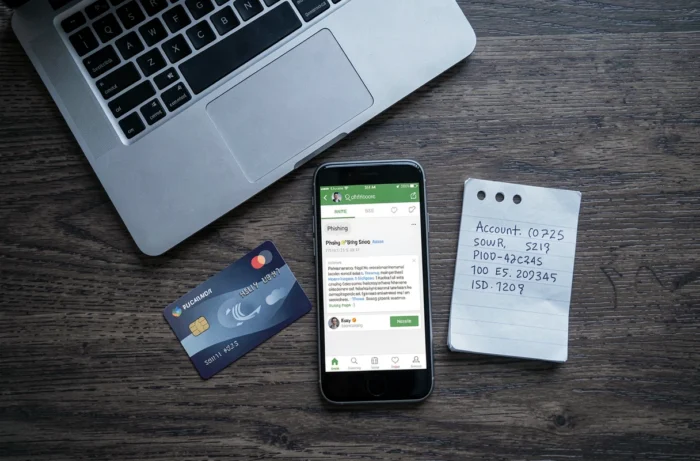
If credit card details have been entered on Xamoz, the first action is to contact your bank to block the card. The report must be made quickly: regulations impose a maximum period of thirteen months to dispute an unauthorized transaction, but the chances of reimbursement decrease over time.
Additional Steps to Take
Immediately changing the passwords of all accounts using the same username/password combination remains a priority. The platform Cybermalveillance.gouv.fr allows you to report the incident and obtain appropriate support.
Monitoring your bank statements for several weeks after the incident allows you to spot fraudulent withdrawals of small amounts, often used as tests by fraudsters before more significant operations. Some banks offer notification alerts for each transaction, a setting to activate without delay.
The domain xamoz.com concentrates the characteristics of a site to avoid for any operation involving payment data: young domain, opacity of the operator, absence of compliant banking gateway, and negative reputation ranking by security filters. No technical adjustment on the user side compensates for these structural flaws.