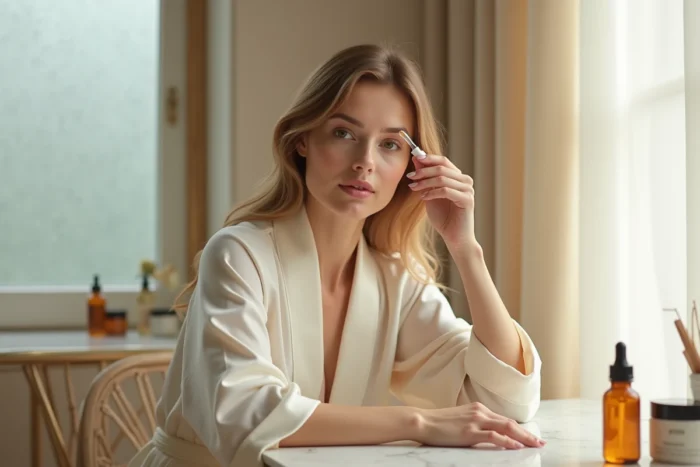
The beauty market is undergoing a rapid restructuring phase. With the rise of hybrid makeup-skincare products, stricter regulations on certain viral ingredients, and the introduction of new sunscreen filters after decades of status quo, benchmarks are changing faster than routines. Here are the beauty trends that are truly reshaping the cosmetic offering right now, beyond the announcements on social media.
Sunscreens: a discreet revolution that changes the game for the skin
UV protection is rarely classified among makeup or skincare trends. However, it deserves a central place this year. The FDA approved bemotrizinol (Tinosorb S) on June 9, 2026, the first new UV filter authorized in the United States since 1999. This decision has direct repercussions on the sunscreen ranges sold in Europe.
International brands can now consider harmonized formulations between the American and European markets. In practical terms, this means lighter textures, better UVA+UVB stability, and sunscreens that integrate more easily into a daily skincare routine.
For consumers, the change is subtle yet tangible: next-generation sunscreens are approaching serum or moisturizing cream textures, making them easier to adopt daily. Field feedback still varies on the tolerance of these new formulas for sensitive skin, but the direction taken by the industry seems irreversible. Following the beauty news on Beauté en Folie allows you to spot the first brands reformulating their sunscreen ranges with these new filters.
Hybrid makeup-skincare: when foundation replaces day cream
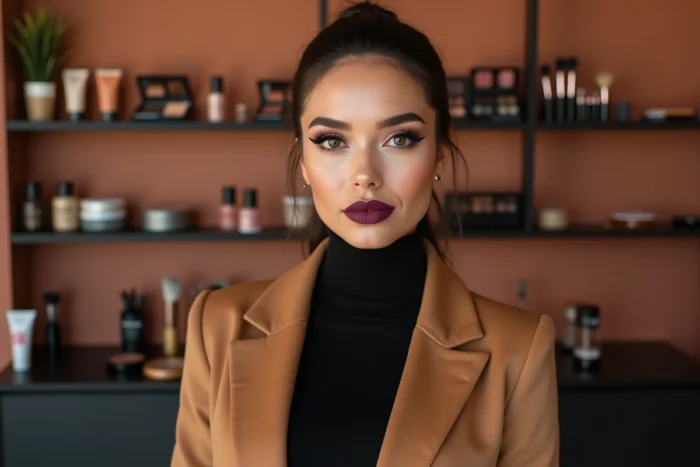
The fusion between makeup and skincare is not a new concept, but it has reached an unprecedented level of sophistication. Foundations now incorporate active ingredients once reserved for serums (niacinamide, hyaluronic acid, peptides), and some brands position their makeup products as an extension of skincare.
This movement, often referred to as hybrid make-up skincare, responds to a concrete demand: to reduce the number of steps in the morning routine without sacrificing skin benefits. Multifunctional products are gaining ground, driven more by a logic of efficiency than by a trend effect.
What this changes in purchasing habits
The criteria for choosing a foundation are no longer limited to coverage or shade. The INCI list (composition) is becoming a leading selling point. Consumers compare active ingredient concentrations, read online reviews, and cross-reference sources before making a purchase.
On the other hand, the boundary between cosmetics and dermatological care is blurring, raising regulatory questions. Does a foundation enriched with retinol fall under makeup or skincare? The available data does not yet allow for conclusions about the actual effectiveness of these actives integrated into pigmented formulas, compared to dedicated serums.
TikTok trends and regulatory framework: the growing gap
Social media, led by TikTok, dictate part of cosmetic purchases. Trends emerge, explode, and fade within a few weeks. The problem: some viral practices collide head-on with health recommendations.
The ANSM (National Agency for the Safety of Medicines) has issued multiple warnings about dangerous beauty trends propagated by social media. Among the targeted practices:
- Homemade peels using vinegar or highly concentrated acids, which have led to a noticeable increase in consultations for skin burns
- The misuse of medications for cosmetic purposes, particularly certain dermatological creams used outside prescription
- DIY mixtures combining incompatible actives (retinol + exfoliating acids, for example), without knowledge of chemical interactions
Several European authorities are tightening restrictions on actives sold online without sufficient control. This regulatory movement will directly affect the available offerings in the coming months: some products popular on social media could simply disappear from European catalogs.
Adopting a critical eye towards online beauty content
The virality of a product or technique does not guarantee its effectiveness or safety. Content that accumulates millions of views on TikTok may rest on a fragile, or even dangerous, scientific basis. Checking the source, cross-referencing with ANSM recommendations, and prioritizing products subject to European cosmetic regulations remains the best approach.
Natural cosmetics and clean beauty: beyond marketing
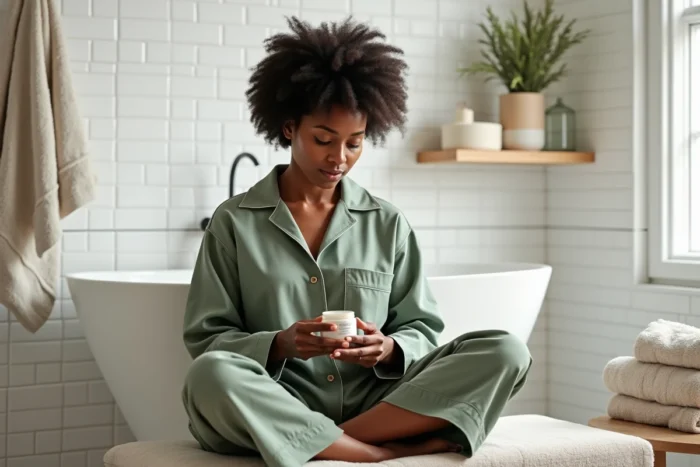
The demand for natural cosmetics, formulated without controversial ingredients, continues to grow. Consumers scrutinize compositions, seek labels, and question the environmental impact of the products they buy.
The difficulty lies in the absence of a unique regulatory definition for the terms “clean beauty” or “natural cosmetic”. Each brand applies its own criteria, complicating comparisons. A product labeled “natural” may contain a majority of synthetic ingredients if the term is not governed by a third-party label (Cosmos, Ecocert, Natrue).
The real change lies in the transparency of the supply chain. Several brands are beginning to publish detailed data on the origin of their raw materials, their carbon footprint, and their production practices. This movement, still minority, is gradually changing the expectations of the most informed consumers.
Three criteria to evaluate a “clean” product
- The presence of an independent label (not just a house logo) guaranteeing a verifiable specification
- A complete and readable INCI list, with a clearly displayed percentage of natural origin ingredients
- Measurable commitments to the environment (refillable packaging, absence of over-packaging, published carbon footprint)
An independent label remains the only reliable benchmark to distinguish real commitment from a communication strategy. In the face of the proliferation of claims, this verification takes a few minutes, but it avoids many disappointments.
The beauty trends that matter right now are not limited to a palette of colors or a viral makeup gesture. They touch on product composition, regulatory frameworks, and how consumers build their choices. The coming months will confirm whether the cosmetic industry lives up to its promises regarding sunscreen filters, hybrid skincare-makeup, and formulation transparency.